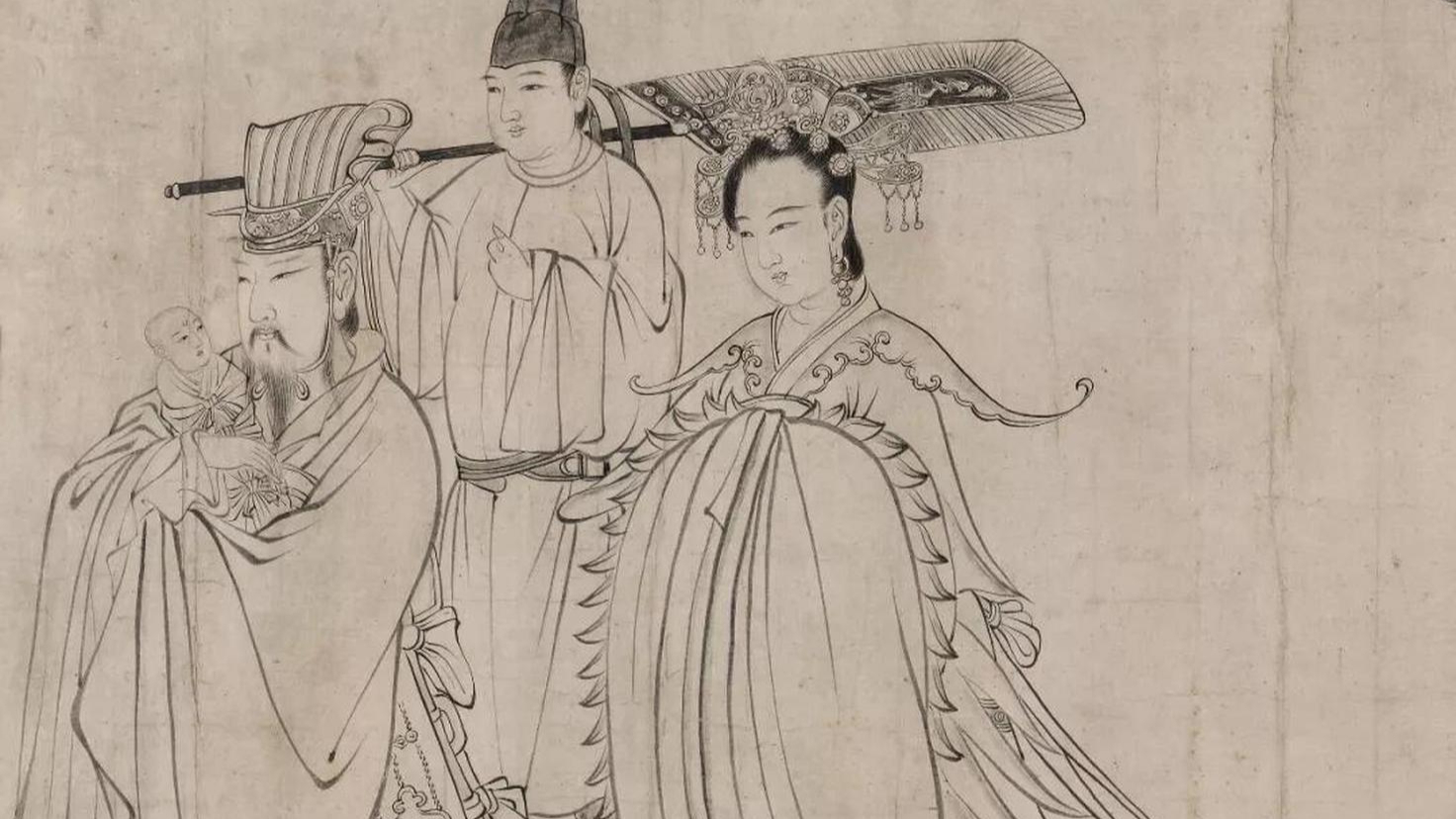
Wu Daozi
Introduction
Wu Daozi, a celebrated artist during the Tang Dynasty (618-907), is often hailed as one of the greatest painters in Chinese history. Renowned for his exceptional brushwork and his ability to infuse his paintings with life and movement, Wu Daozi's works have left an indelible mark on the development of Chinese art. Although none of his original paintings survive today, his legacy endures through historical accounts and his influence on later artists. Wu Daozi's contributions to art were not merely technical; he pioneered an expressive style that emphasized the spiritual and imaginative aspects of painting, setting a standard for generations to come.
Early Life and Background
Wu Daozi was born during the Tang Dynasty, a period marked by cultural flourishing and artistic innovation. Although specific details about his early life and background are sparse, it is known that Wu Daozi displayed remarkable artistic talent from a young age. His skills earned him patronage from the Tang court, particularly from Emperor Xuanzong, who was a great admirer of Wu Daozi's work. This royal support allowed Wu Daozi to embark on artistic endeavors that contributed significantly to his reputation and the cultural fabric of the Tang Dynasty. He often traveled to various parts of China, seeking inspiration from nature and the landscapes along the country's rivers, which were frequent subjects in his paintings.
Artistic Style and Techniques
Wu Daozi was renowned for his dynamic and expressive brushwork, which was a defining feature of his artistic style. Unlike the highly detailed and meticulous techniques used by his contemporaries, Wu Daozi's approach was characterized by bold strokes and a fluidity that brought his subjects to life. His paintings often depicted religious themes and figures, capturing the essence of Buddhist and Taoist teachings through vivid and spiritual imagery. Wu Daozi's ability to convey movement and emotion set his work apart and established him as a pioneer of a more expressive style of Chinese painting.
Use of Brushwork
Wu Daozi's brushwork was revolutionary for its time, emphasizing speed and spontaneity. His technique involved using broad, sweeping strokes to create a sense of motion and vitality. This method allowed him to capture the dynamism of his subjects, whether they were figures, landscapes, or mythical scenes. Wu Daozi's brushwork conveyed not only the physical appearance of his subjects but also their inner essence, making his paintings deeply resonant and spiritually engaging. His ability to infuse life into his art with just a few decisive brushstrokes was a hallmark of his genius.
Influence on Chinese Painting
Wu Daozi's influence on Chinese painting was profound and enduring. His innovative techniques and expressive style inspired subsequent generations of artists, who sought to emulate his mastery of brushwork and his ability to impart a sense of vitality to his subjects. Wu Daozi's approach laid the groundwork for the development of a more emotive and spiritually focused style of painting, which became a significant element of Chinese art. His legacy extended beyond his lifetime, influencing not only painters but also poets and calligraphers who admired his ability to convey profound meaning through his art.
Major Works and Contributions
While no original works by Wu Daozi have survived, historical records and references in Chinese literature provide insights into the breadth and impact of his contributions. Wu Daozi was particularly known for his murals and religious paintings, many of which adorned temples and palaces. These works were celebrated for their grandeur, detail, and spiritual depth, attracting admiration from both contemporaries and later generations.
Famous Paintings
Among the most famous paintings attributed to Wu Daozi are his murals at the Longxing Temple and his depictions of Buddhist deities and bodhisattvas. These works were highly regarded for their intricate detail and powerful expression. Another notable work is the Eighty-seven Immortals, a painting that exemplified Wu Daozi's ability to portray multiple figures with individuality and dynamism. Despite the loss of these original pieces, their influence is evident in the works of later artists and in the continued reverence for Wu Daozi's artistic legacy.
Cultural Legacy
Wu Daozi's cultural legacy extends beyond his contributions to painting. He is remembered as a pivotal figure in Chinese art history, whose work embodied the spirit of the Tang Dynasty's cultural renaissance. His innovative techniques and expressive style set a precedent for future artistic endeavors and remain influential in both traditional and contemporary contexts.








